
One place we knew we wanted to visit while we are living here in Germany is Poland. We sat down a little over a week ago to plan a little trip to Kraków and then we looked at the weather. It looked good for the next day and the weekend and then COLD and SNOWY after that. After a chilly November trip to Canada a couple of years ago, we learned that you can be a tourist when it’s cold, but it’s more fun when it’s not. So, we decided on Friday afternoon to buy train tickets and leave first thing Saturday morning.
Kraków is a beautiful city that has hundreds of years of history and culture. We got there in the evening and wandered around town a bit to get the lay of the place. It has a huge central square lined with shops and restaurants. The buildings have a lot of character and flavor. There are gorgeous churches all over and the Polish people are still quite religious compared to other parts of Europe, so the churches are well maintained. One of our favorite things about the city is the Planty. When they took down the fortifying wall around the city, they filled in the moat and planted trees and it’s now a park that goes around the entire city center. We did a self-guided walking tour, stopping at the most interesting spots. The only remaining city gate, St. Mary’s Cathedral, and the Jewish Quarter were all interesting. We had to bundle up and fortify ourselves with warm drinks since it was definitely feeling wintery and we also munched our way around town, trying some Polish classics as well as some other delicious meals. We had a truly excellent dinner one night—maybe the best we’ve eaten since we arrived in Europe.
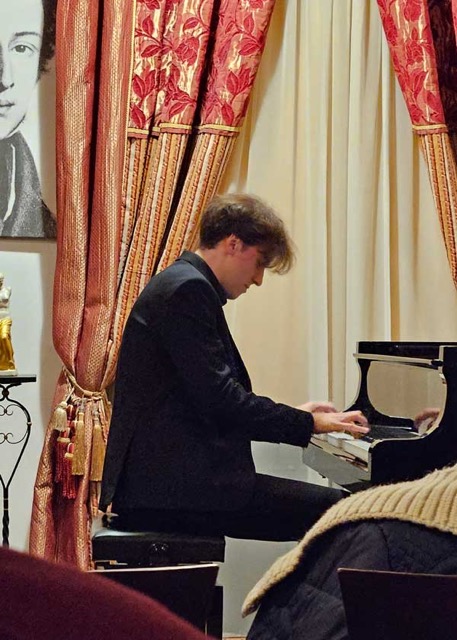
We marked off another square on our Composer Bingo card and went to an all-Chopin concert. Although Chopin was from Warsaw and spent all his adult life abroad, the Polish people are very fond of his music. The pianist that performed was phenomenal.
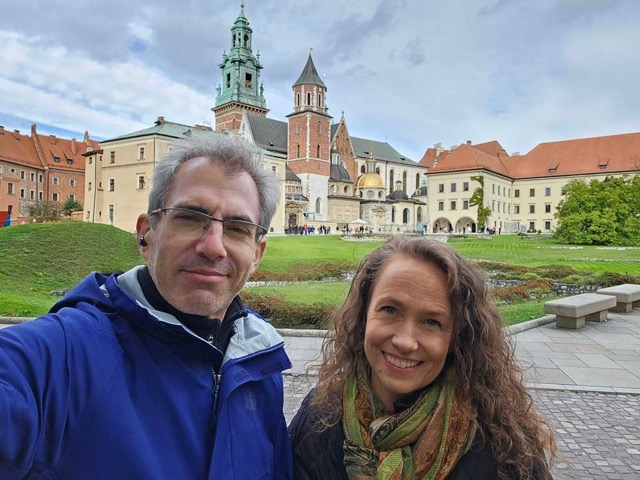
We visited the castle and cathedral of Wawel. It’s a gorgeous complex on top of the hill looking over the city and the Polish people count this place as their heart and soul. We also checked out the museum that is housed in Oskar Schindler’s enamelware factory. It has a really good exhibit about how the citizens of Kraków were affected by World War II. The population of Kraków was about 25% Jewish before the war and there was good cooperation between the different peoples. After the German invasion and occupation, the Jewish Quarter and the Ghetto were pretty much erased and subsequently neglected. When Steven Spielberg was making “Schindler’s List”, he decided to film in the city where the story takes place and it revitalized interest and investment in the history of the area. The museum shares details of the resistance and how Kraków miraculously escaped being leveled like Warsaw as the Red Army liberated Poland.
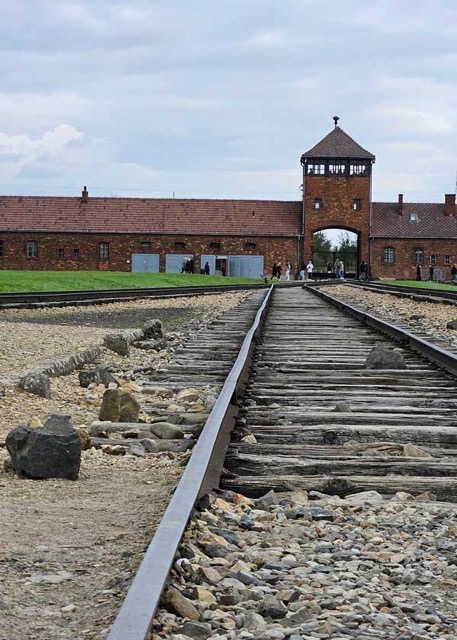
We visited Auschwitz-Birchenau on a tour, even though we had initially thought we would skip it. We visited Buchenwald just a week before, so we weren’t sure that we were ready for the emotional weight of another concentration camp. Our guide was a woman from the town Oświęcim, which the Nazis Germanified to Auschwitz. She repeatedly reminded us that the original camp was for forced labor and political prisoners. The bulk of the systematic slaughter of people actually took place at Birkenau. The museum and memorial are so well-done and it is truly chilling. Concentration sites outside of Germany are preserved by the victims of the cruelty and carnage, so there is more emphasis that these people were murdered, especially the women and children. It was a long and difficult day, but nothing compared to the true suffering that happened to those people and continues to happen in the world to this day.
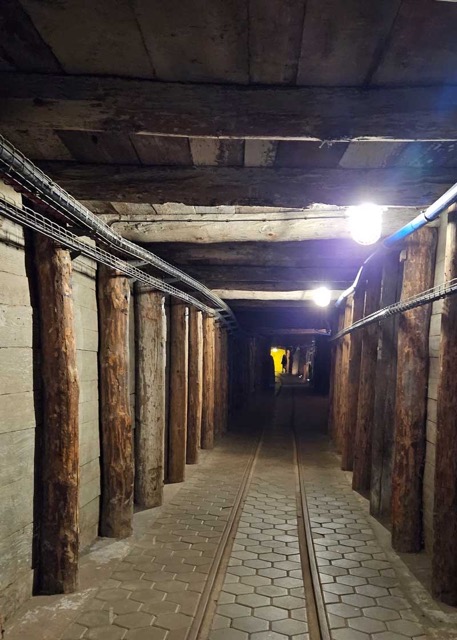
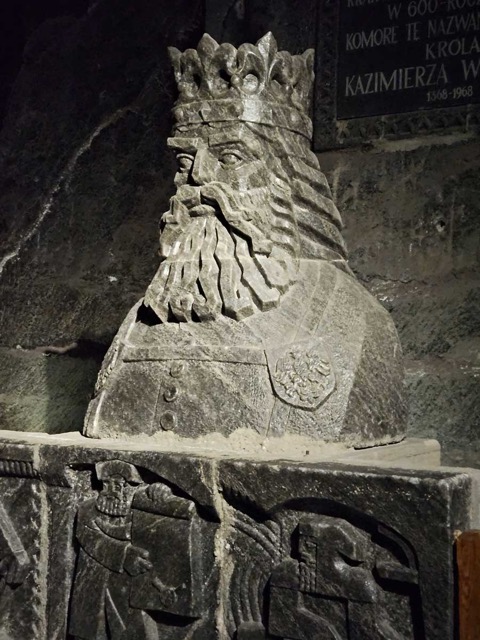
We also visited the 13th-century Wieliczka Salt Mine. It has been functioning for centuries and also welcoming tourists for several hundred years. It was so awesome to see the mine shafts and tunnels. The mine has nine levels and we saw bits of three of those. There are wide open chambers where the miners spent decades clearing out big chunks of rock salt. Some have water at the bottom. Some have carvings of mythical characters, religious figures, or famous people that visited the mine. A couple are huge and there is one that is a big chapel with salt statues and chandeliers made of salt crystals. The guided tour was excellent and we really enjoyed our time there.
Kraków was a great place to spend a few days and we are so glad we took the opportunity to visit. We will definitely return to Poland in the future if we have the chance.
That is amazing! I read the biography of Irena Sendler from Poland a couple of years ago and highly recommend it. Many people responded with dignity and sacrifice during that time.
Thanks for the recommendation, Mikelle!